Many businesses exploring modern workspace design ask, Are standing desks worth it for long-term comfort and productivity.
As workdays increasingly involve extended screen time, organizations are rethinking traditional seating arrangements and evaluating alternatives that support movement. Standing desks have become a popular option in corporate offices, co-working environments, and even home workspaces.
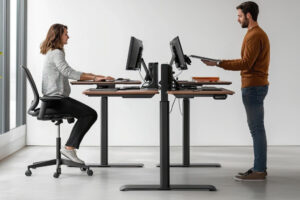
Unlike static setups that rely entirely on seated work, standing desks introduce flexibility. Employees can alternate between sitting and standing throughout the day, reducing prolonged sedentary periods. When integrated thoughtfully alongside office desks and supportive office chairs, height-adjustable workstations offer a dynamic approach to workplace ergonomics.
Understanding the benefits and practical considerations of standing desks can help decision-makers determine if the switch aligns with their operational goals.
Why Sitting All Day Raises Concerns
Prolonged sitting has been linked to physical discomfort and reduced daily energy. Many professionals remain at their desks for six to eight hours with minimal movement. Over time, this pattern may lead to stiffness, back discomfort, and decreased circulation.
Traditional office desks paired with fixed office chairs support seated work, but they limit posture variation. Standing desks introduce the option to change position throughout the day. Alternating between sitting and standing promotes subtle movement, which can reduce fatigue associated with remaining in one position for extended periods.
This shift reflects a growing focus on employee wellness and performance optimization in workplace design.
Potential Health Benefits Of Standing Desks
Organizations often consider adjustable workstations to support physical well-being. Standing continuously is not recommended, but incorporating standing intervals may help:
- Reduce lower back pressure
- Encourage better posture alignment
- Increase circulation
- Support mild calorie expenditure compared to continuous sitting
Employees who rotate positions frequently report feeling more alert and engaged. Standing may also reduce the tendency to slouch during prolonged tasks. When evaluating “Are standing desks worth it,” the answer often depends on how consistently users alternate positions rather than standing all day.
Impact On Productivity And Focus
Beyond physical comfort, posture changes can influence focus and engagement. Some professionals experience increased concentration when switching between sitting and standing.
Standing during phone calls, quick meetings, or brainstorming sessions can foster momentum. In collaborative environments, adjustable desks make transitions between independent tasks and team discussions more seamless.
Productivity improvements are not automatic. Employees benefit from guidance on gradual transitions and balanced use. Proper education supports smoother adaptation and sustained comfort.
Financial Considerations
Budget plays a significant role in the decision process. Standing desks generally cost more than fixed models due to mechanical or electric lift systems. Organizations must evaluate upfront investment in relation to potential long-term benefits.
When factoring in employee comfort, reduced complaints about discomfort, and potential productivity improvements, many organizations find the investment justifiable. Additionally, modular designs allow businesses to retrofit existing office desks with adjustable bases rather than replacing entire units.
Budget planning should also include accessories such as anti-fatigue mats and monitor arms, which enhance the functionality of standing configurations.
The Importance Of Ergonomic Setup
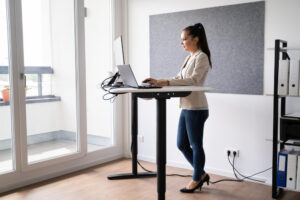
Proper configuration determines whether adjustable desks deliver positive results. Desk height should align with elbow level, and monitors must remain at eye level to reduce neck strain.
Supportive office chairs remain essential for seated intervals. A balanced combination of sitting and standing typically delivers the most sustainable approach. Poor setup may cause foot, knee, or lower back discomfort. Training employees on adjustment techniques significantly improves outcomes. When considering “Are standing desks worth it,” ergonomics plays a decisive role.
Encouraging Movement Over Static Standing
Standing desks are designed to promote movement, not replace sitting entirely. Experts commonly suggest alternating positions every 30 to 60 minutes.
Short walks, stretching, and subtle weight shifts enhance circulation and reduce fatigue. Remaining stationary while standing for long periods may create discomfort, which diminishes the intended benefit. Organizations that pair workstation upgrades with wellness initiatives often see stronger results.
Suitability For Different Work Environments
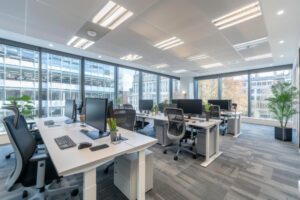
Adjustable desks adapt well across industries. Corporate offices, training facilities, collaborative spaces, and creative teams can benefit from flexible setups.
Roles that involve frequent calls, design reviews, or interactive tasks may find standing intervals helpful. Positions requiring sustained typing or detailed analytical work may rely more heavily on seated time.
Employers should evaluate job functions and employee preferences before implementing widespread changes. Pilot programs can generate valuable feedback before larger scale adoption.
Long-Term Value And Adaptability
Workplace trends continue to evolve toward flexibility and employee-centered design. Standing desks align with this shift by supporting adaptable work habits.
Hybrid work models increase the value of adaptable furniture. Height-adjustable desks suit shared environments where multiple users access the same workstation. This flexibility supports rotating schedules and varied employee needs.
The question “Are standing desks worth it?” ultimately depends on how well they align with organizational strategy, employee education, and ergonomic planning.
Making An Informed Decision About Standing Desks
Standing desks introduce flexibility, encourage movement, and support a more dynamic workday when used appropriately. The value lies in balanced posture changes and thoughtful ergonomic planning rather than constant standing.
NJ Office Furniture Depot helps organizations design corporate offices, reception and collaborative areas, training and banquet spaces, and facility environments with tailored solutions that align with modern workplace needs.
We serve businesses across NJ, PA, NY, and nationwide with new, used, and pre-owned office furniture designed to support productivity and comfort. Call us today to explore standing desk options that fit your workspace goals.