In many workplaces, managers eventually ask, how long do office chairs last, especially when comfort complaints and maintenance costs start to rise. Office seating is one of the most heavily used assets in any corporate environment. Over time, daily wear, body weight, movement, and long working hours take a toll on materials and support systems. While high-quality chairs can last several years, no chair performs well forever.
A typical office chair has a lifespan of seven to ten years, depending on build quality, usage patterns, and maintenance. In high-traffic corporate settings, that timeline may shrink. When chairs begin to show visible wear or no longer support employees properly, productivity and morale can suffer.
Within the first few years of operation, businesses often invest in reliable chairs and office desks to create a cohesive and functional environment. However, as teams grow and working hours increase, furniture must withstand constant use.
Recognizing when seating no longer meets ergonomic and operational standards can prevent long-term discomfort and unnecessary downtime. Below are the key signs that it may be time to replace your office chairs.
Visible Wear and Structural Damage
One of the most obvious indicators is physical deterioration. Torn upholstery, flattened cushions, exposed foam, cracked armrests, and unstable bases signal that a chair has reached the later stage of its lifespan.
Mesh backs can lose tension, leather may peel, and fabric may fray. Casters sometimes stop rolling smoothly, and hydraulic lifts can lose height adjustment capability. When several chairs display similar problems, full replacement frequently makes more financial sense than repeated repairs.
Persistent Discomfort Among Employees
Workplace comfort directly affects focus and productivity. If employees frequently complain about back pain, neck strain, or hip discomfort, seating may be part of the problem.
Cushioning gradually compresses and loses resilience. Lumbar systems can weaken or fail. Even subtle shifts in alignment may create strain during extended desk work. When team members start asking “How long do office chairs last,” it often reflects unresolved discomfort.
Modern ergonomic standards continue to evolve. Chairs purchased years ago may not align with today’s understanding of posture support and movement flexibility. Replacing outdated seating can contribute to improved morale and fewer discomfort-related absences.
Frequent Repairs and Rising Maintenance Costs
If maintenance requests are increasing, it may be more economical to replace chairs rather than continue repairing them. Replacing casters, arm pads, gas lifts, and tilt mechanisms adds up over time.
Occasional repairs are expected over time. Repeated part failures, however, indicate systemic aging. Investing in new seating can be more practical than continuing to patch worn components. Maintenance tracking helps identify patterns. If multiple chairs require similar fixes within a short span, their functional cycle may be ending.
Loss of Adjustability Features
Ergonomic chairs are designed with adjustable height, tilt tension, armrests, and lumbar support. These features allow employees to customize their seating position.
When adjustments stop working smoothly or fail entirely, posture suffers. A malfunctioning tilt mechanism or non-responsive lumbar system limits proper positioning. Evaluating “How long do office chairs last?” includes considering how long their internal mechanisms perform reliably. Mechanical breakdown often occurs before obvious cosmetic damage appears.
Outdated Ergonomic Design
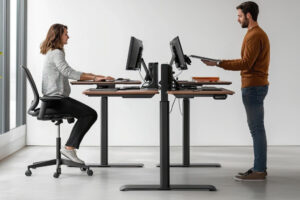
Workplace environments have evolved. Hybrid schedules, sit-stand desks, and collaborative layouts require flexible seating solutions.
Older chairs may lack breathable materials, responsive lumbar support, or weight-activated recline systems. As companies modernize their spaces, outdated seating may no longer align with current expectations. Replacing older models supports both functional improvements and visual consistency.
Reduced Productivity and Morale
Furniture affects more than posture. It influences employee perception of the workplace. Worn seating can signal neglect, while updated furniture reflects attention to employee well-being.
If performance metrics decline and fatigue becomes common during long work sessions, seating may play a contributing role. Chairs are not the only factor affecting productivity, yet daily comfort significantly shapes workplace experience.
Increased Noise and Instability
Squeaking sounds, wobbling bases, and uneven rolling are common signs of aging chairs. These issues can distract employees and create safety concerns.
Loose hardware and weakened frames compromise stability. In shared spaces, noisy chairs interrupt meetings and conversations. Replacing unstable seating helps maintain a professional and secure environment.
Mismatch With Updated Office Layouts
When companies renovate or expand, furniture alignment becomes important. New office desks and collaborative configurations may not pair well with older chairs.
Seat height may not match desk height. Armrests may collide with updated workstation designs. Visual inconsistencies can make a space look fragmented.
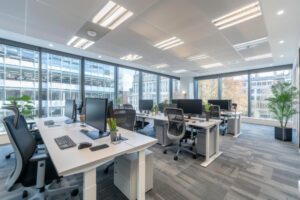
Replacing chairs during renovations helps create uniformity and cohesive branding across corporate offices, reception areas, and shared workspaces.
Health and Safety Considerations
Long-term use of deteriorated seating can contribute to musculoskeletal strain. While chairs alone do not cause injuries, inadequate support increases risk over extended periods.
Businesses that prioritize workplace safety evaluate seating as part of their overall occupational health strategy. If employees are spending six to eight hours daily in their chairs, structural integrity and ergonomic function matter significantly.
Age Beyond the Standard Lifespan
Most quality office chairs last between seven and ten years under normal usage. Heavy usage environments such as training rooms or collaborative hubs may shorten that period.
If your chairs are approaching or exceeding this age range, proactive replacement planning is wise. Even if they appear functional, internal components may be nearing failure. Asking “How long do office chairs last?” is not only about durability but also about performance consistency. Chairs that barely function are not delivering long-term value.
Factors That Influence Chair Lifespan
Several elements determine longevity:
- Build Quality: Premium materials and reinforced frames typically last longer.
- Frequency of Use: Full-time seating wears faster than occasional-use chairs.
- User Weight and Movement: Higher weight loads and frequent recline adjustments accelerate wear.
- Maintenance Practices: Regular cleaning and tightening extend functional life.
Recognize the Signs and Invest in Long-Term Workplace Comfort
Office chairs typically last several years, but clear signs such as discomfort, structural damage, and failing mechanisms indicate when replacement makes sense. Taking action at the right time protects productivity and workplace satisfaction.
NJ Office Furniture Depot assists organizations in upgrading corporate offices, reception spaces, collaborative environments, training rooms, and facilities with high-quality furniture solutions tailored to modern standards and budget objectives.
We serve businesses across NJ, PA, NY, and nationwide with new, used, and pre-owned office furniture that aligns with modern standards and budget goals. Contact us today to refresh your workspace with seating designed for lasting performance.